The Department of Genomics and Proteomics has steadily developed its capabilities in next-generation sequencing (NGS), consolidating itself as a strategic component for genomic surveillance, molecular diagnostics, and public health research in Panama.
Read more
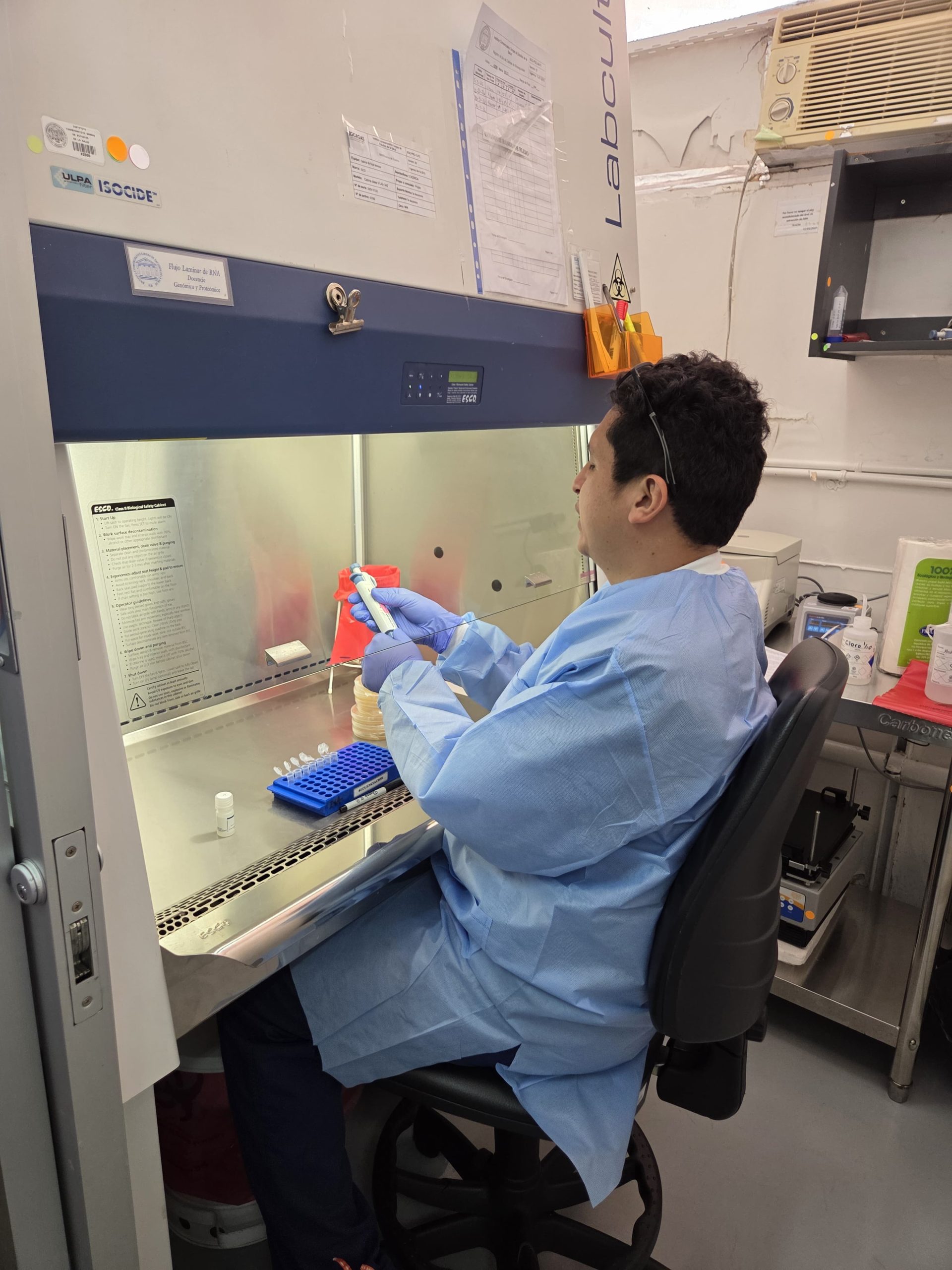
Since 2017, the laboratory began the implementation of sequencing technologies by synthesis, marking the transition from conventional methodologies to platforms with greater capacity, precision and analytical scope.
This strengthening made it possible to progressively incorporate new applications aimed at the characterization of microorganisms and the analysis of resistance to antiretrovirals in HIV, expanding the capacity for sample processing and promoting articulated work with other specialized areas.
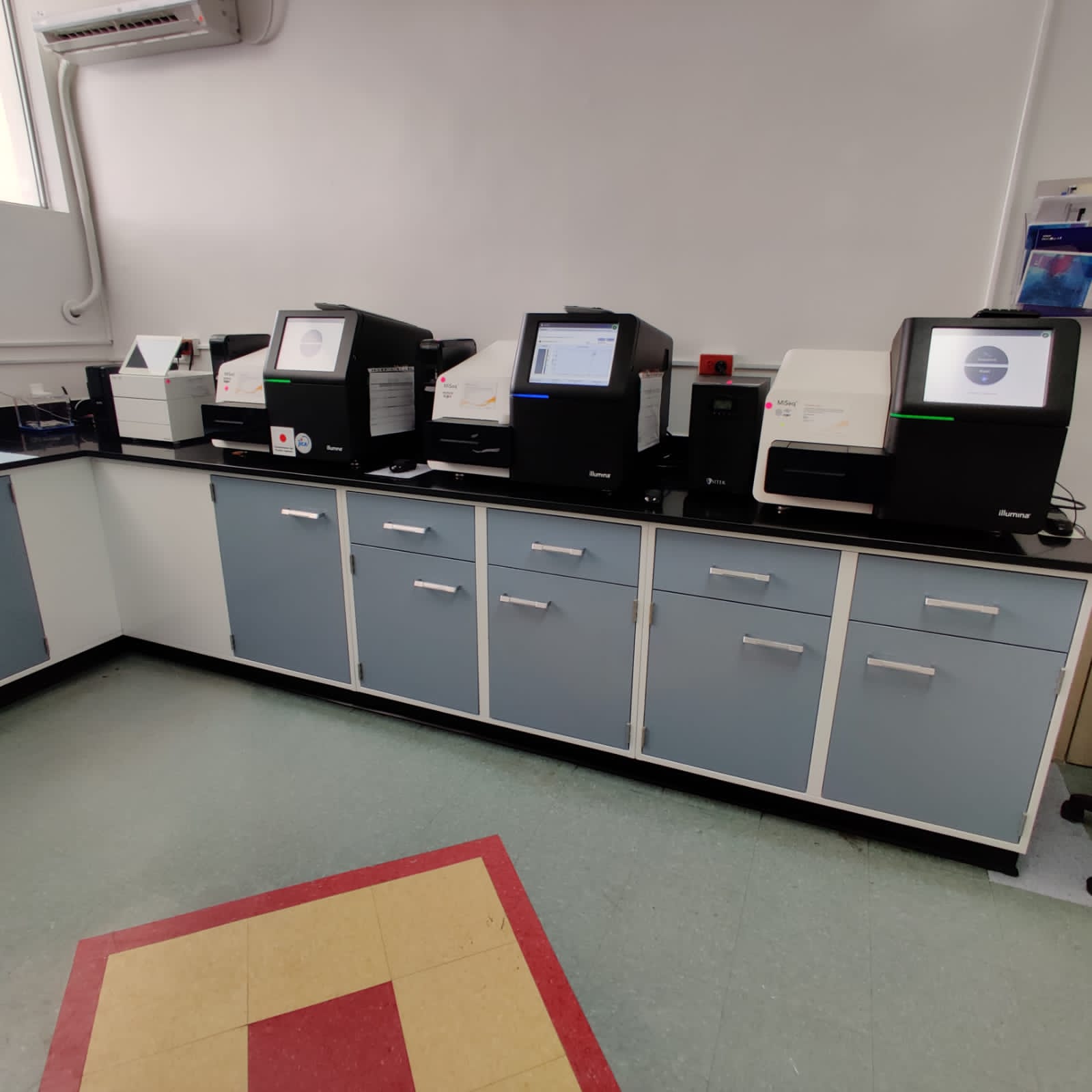
Next-generation sequencers and expansion of operational capacity.
Regional development and consolidation of genomic surveillance in Panama
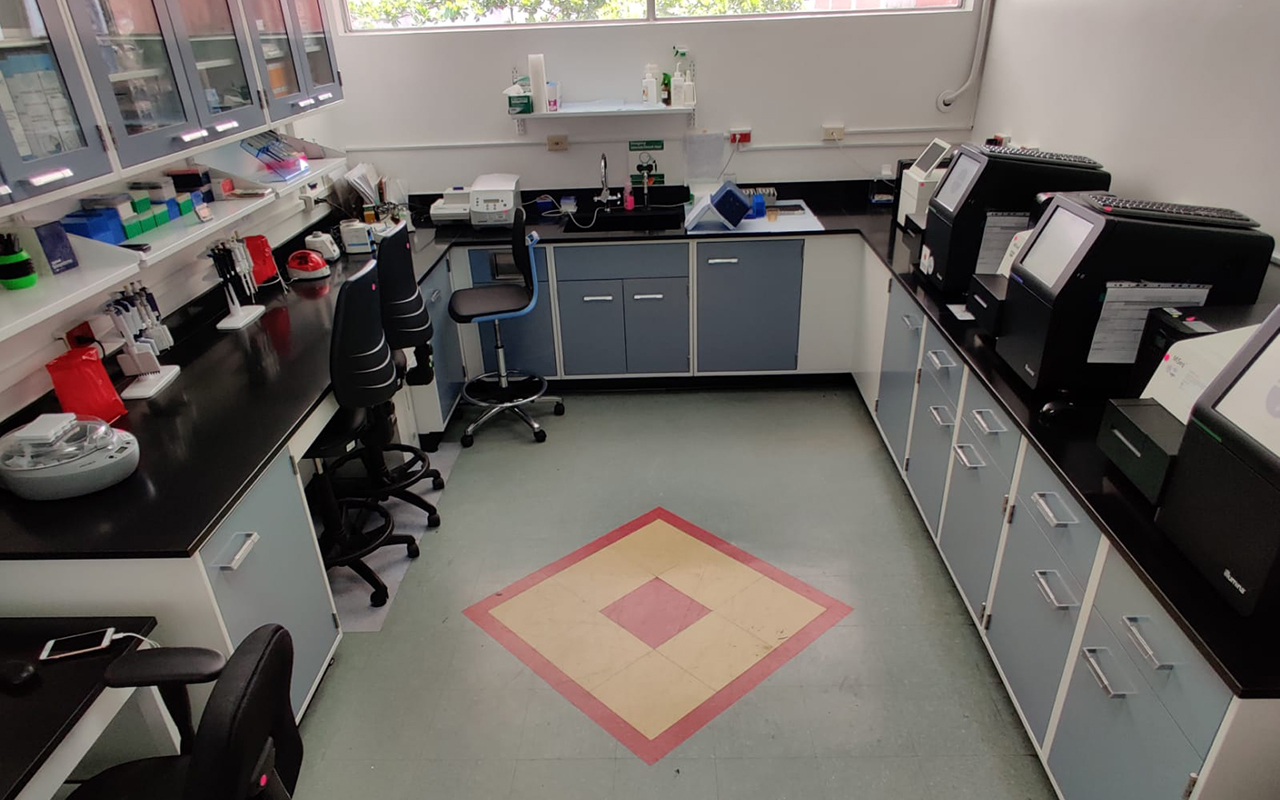
As part of its growth, the department has strengthened its technological infrastructure through the acquisition of next-generation sequencers and the installation of servers for bioinformatics analysis, consolidating a comprehensive platform for the generation, processing and interpretation of genomic data.
During the SARS-CoV-2 pandemic, these capacities allow a timely response through the implementation of genomic surveillance in the country, as well as participation in external performance evaluation exercises and the strengthening of bioinformatics analysis applied to microbiology.
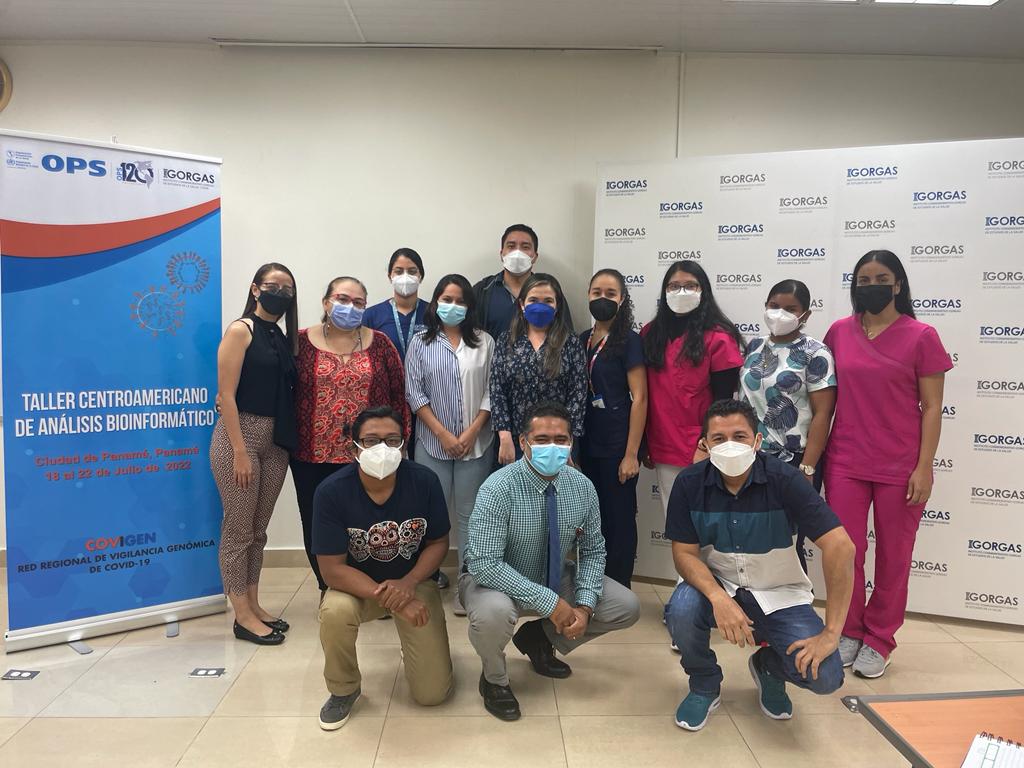
In 2021, this development was projected at the regional level with the inclusion of the Gorgas Institute as a reference laboratory in sequencing within the COVIGEN network of the Pan American Health Organization (PAHO). Likewise, international technical cooperation contributed to the strengthening of the technological platform through the incorporation of new sequencers and the expansion of the laboratory is operational capacity.
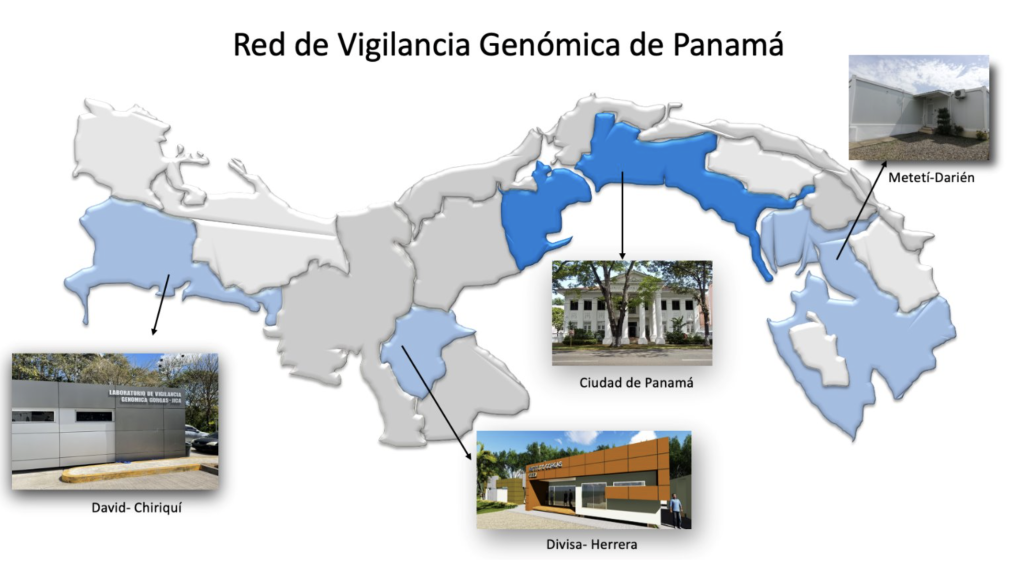
Subsequently, in 2022, the remodeling of the sequencing laboratory and the promotion of the decentralization of genomic surveillance in different regions of the country reaffirmed the institutional commitment to timely access to highly complex tools and to the strengthening of national capacity in public health.
Throughout this trajectory, the Department of Genomics and Proteomics has maintained its commitment to innovation, quality and scientific development, contributing to the strengthening of surveillance of diseases of health importance and the generation of evidence for decision-making in the country.
PROMOTING GENOMIC SURVEILLANCE IN LATIN AMERICA
THROUGH SPECIALIZED TRAINING
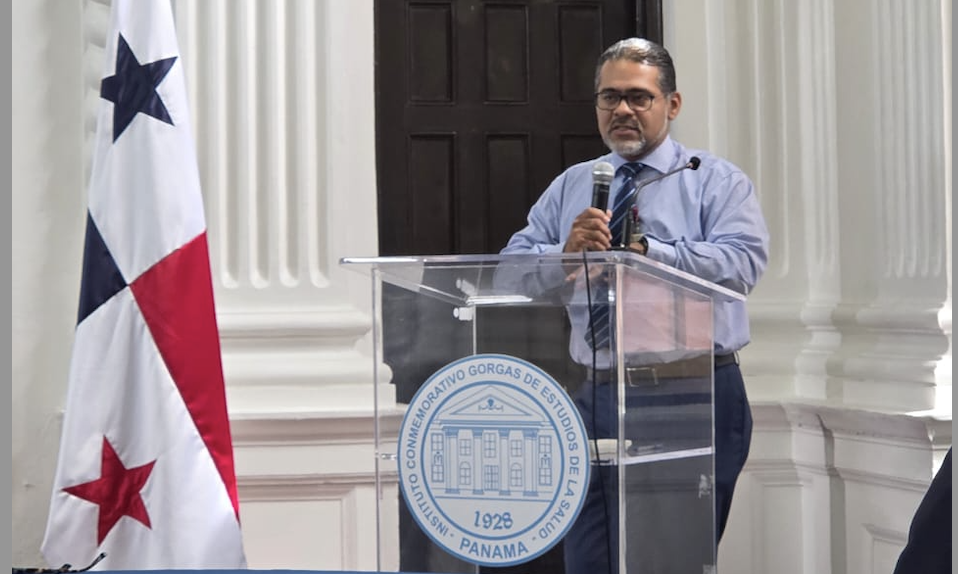
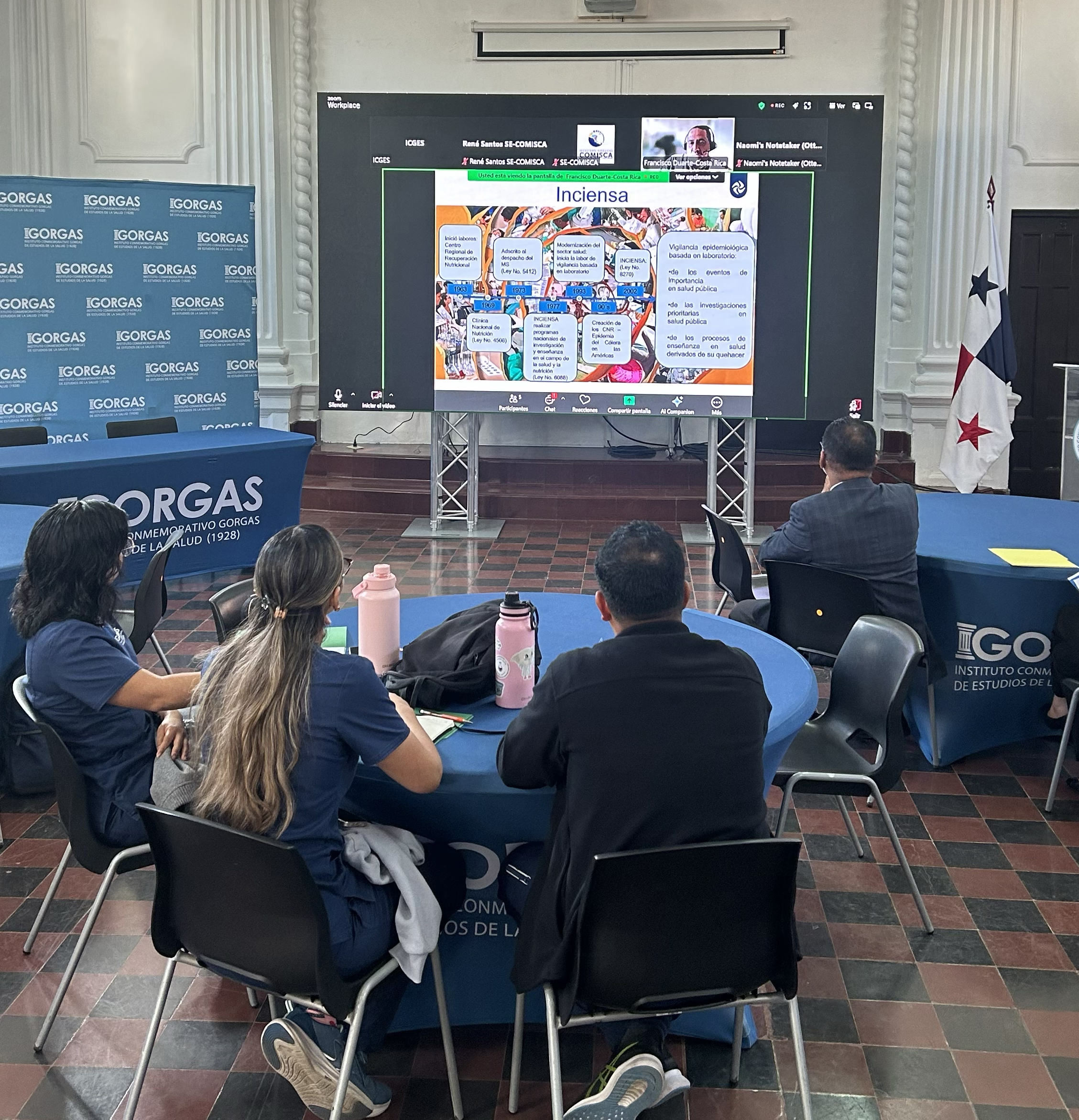
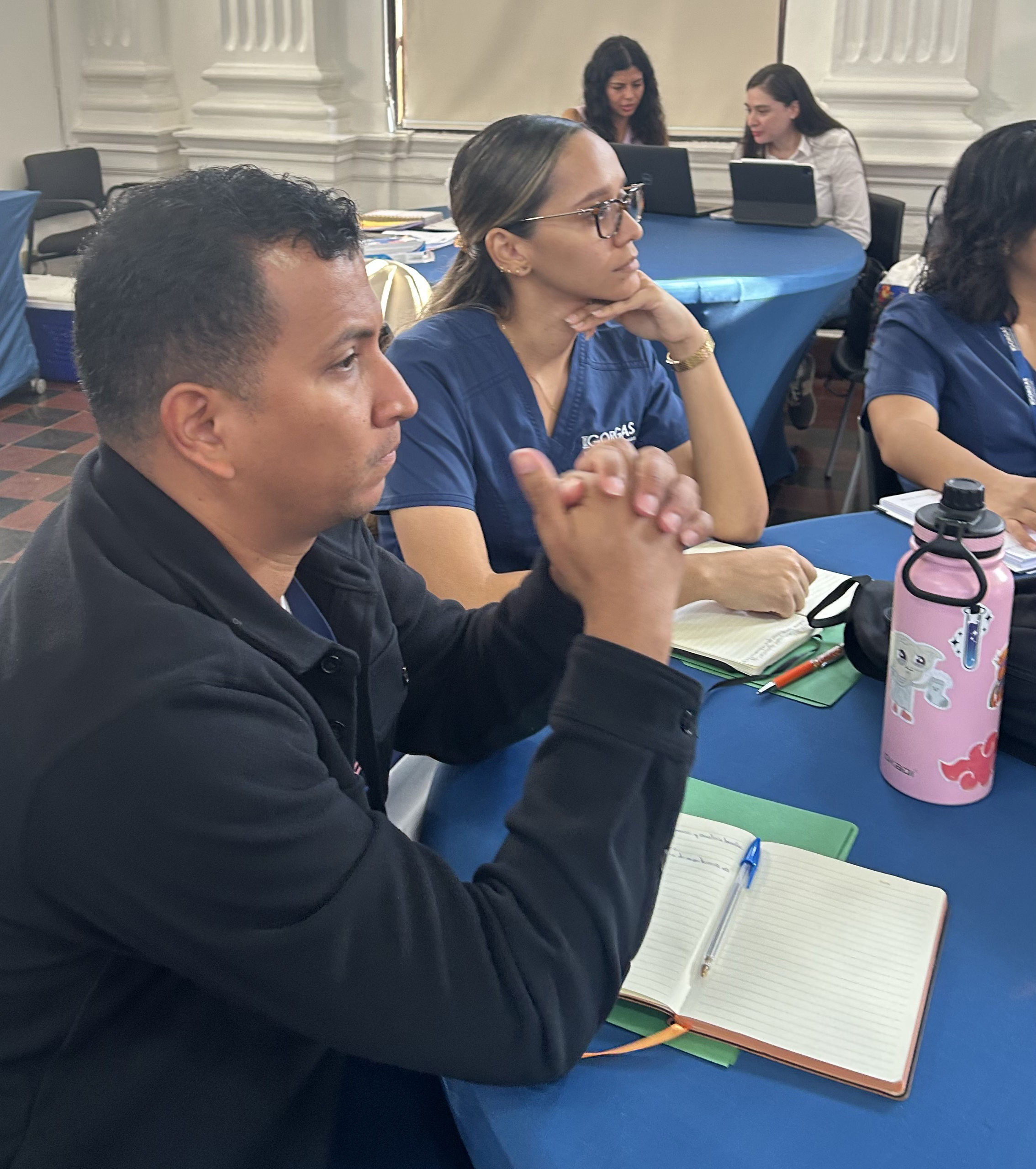
Among the activities carried out subsequently are the Training Workshop on SARS-CoV-2 Genomic Sequencing and Surveillance in collaboration with the Pan American Health Organization (PAHO) from November 21 to 25, 2022. In order to continue strengthening the region's capacities, this workshop was attended by members of the staff of the National Public Health Laboratory of El Salvador.
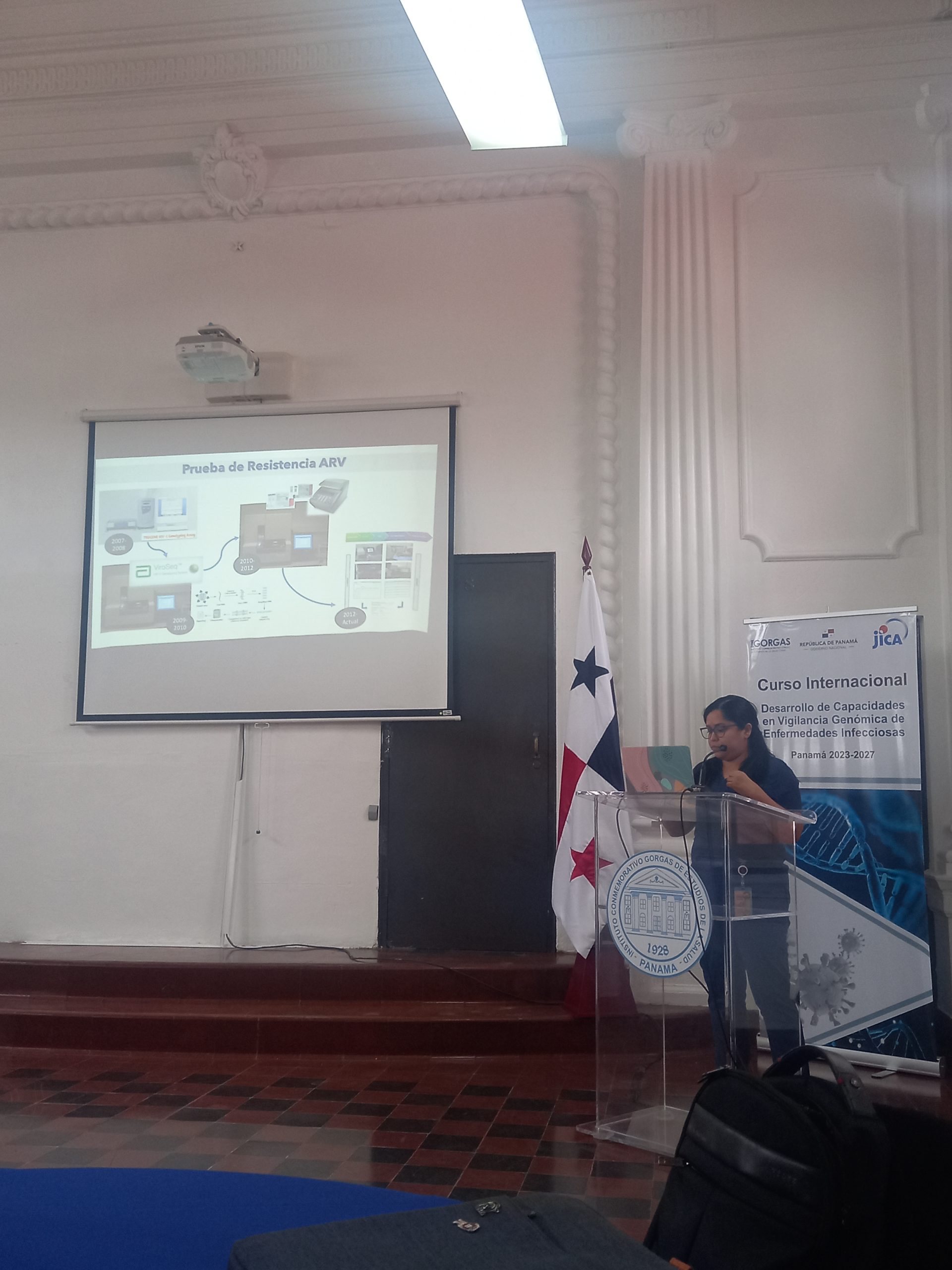
In addition to the International Course for Capacity Building in Genomic Surveillance
of Infectious Diseases with a focus on MonkeyPox Virus (Mpox) held from February
27 to March 10, 2023. The International Course for Capacity Building in Genomic
Surveillance of Infectious Diseases was developed with the aim of strengthening
regional capacities to generate information and analysis of genomic data for the
surveillance of pathogens such as Mpox, with representatives from the Public Health
laboratories of Cuba, Costa Rica and the Dominican Republic.
STRATEGIC APPROACH AND INSTITUTIONAL PROJECTION
Public Health
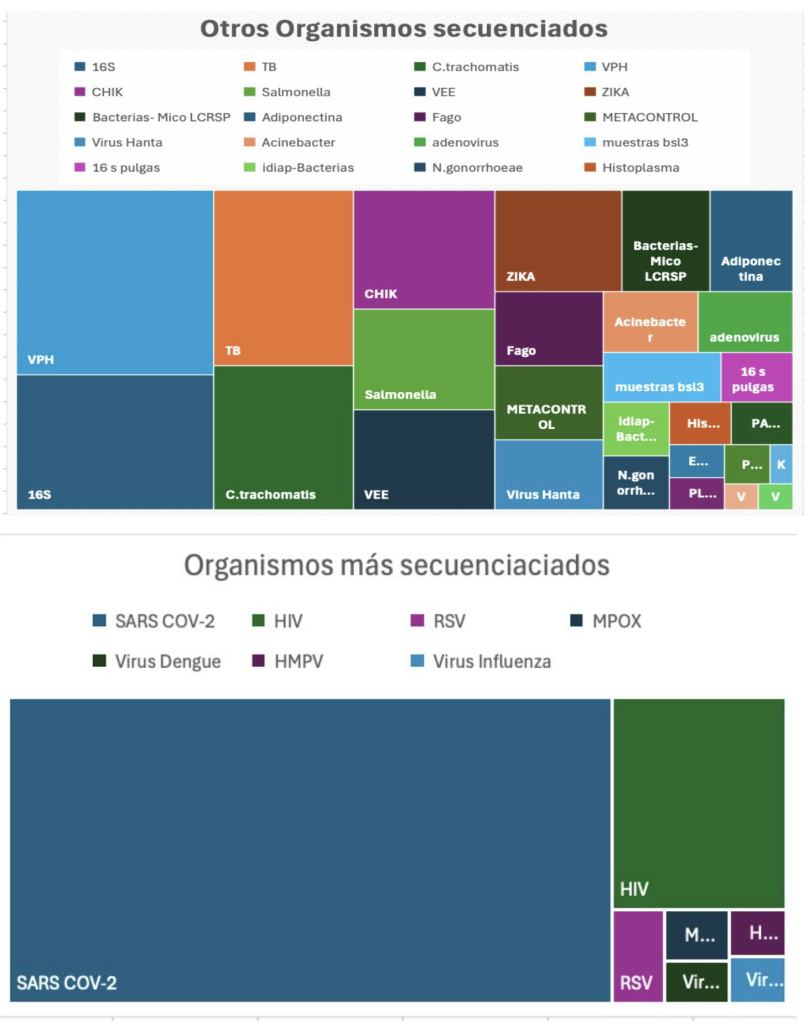
Genomic Surveillance of Pathogens (SARS CoV2 and others)
Designation of the Department of Genomics and Proteomics as a Collaborating Center of the Pan American Health Organization / World Health Organization (PAHO/WHO) December 2025.
Teaching
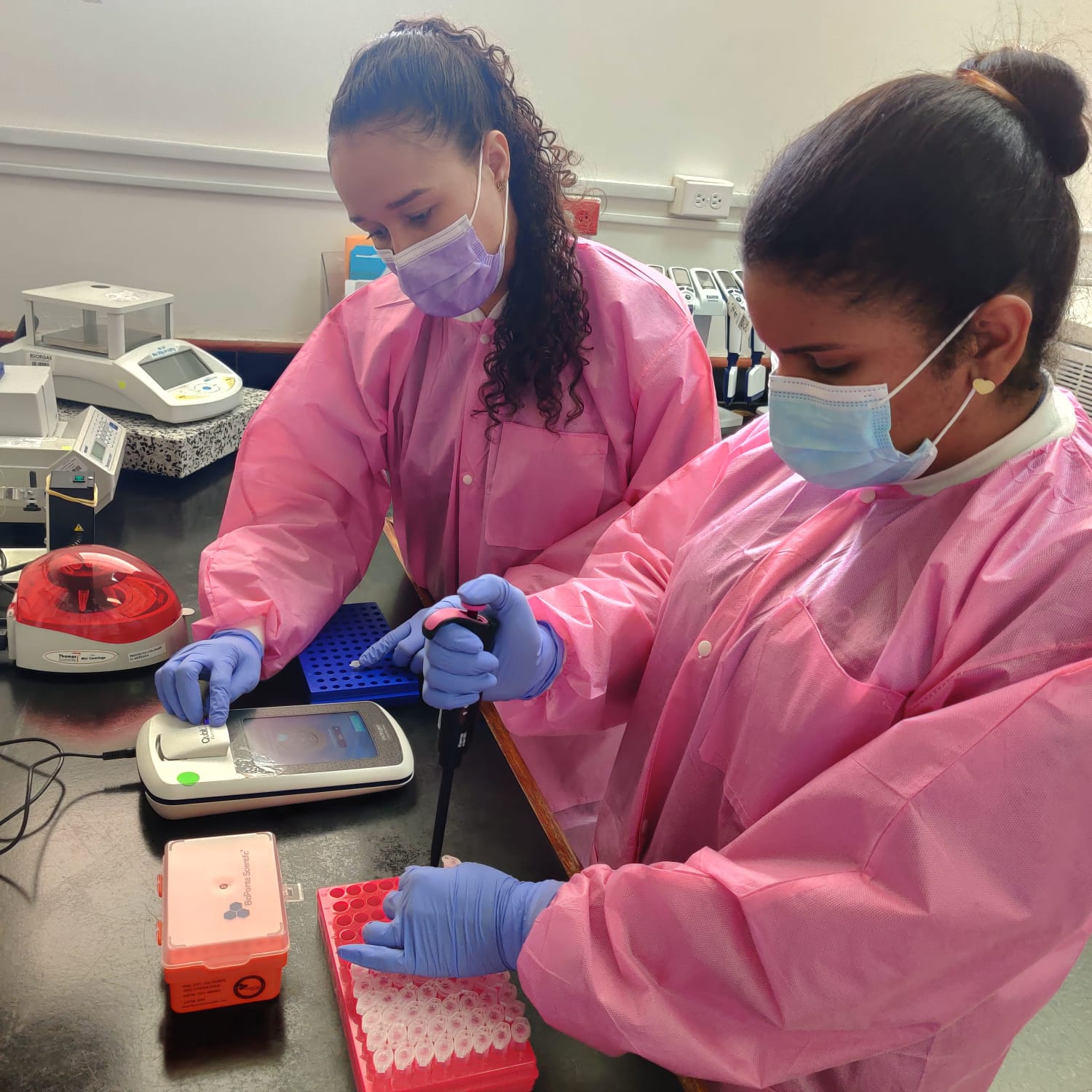
Continuous training and advice on the implementation of NGS methodologies in various institutions at the national and international level.
International Course for Capacity Building in Genomic Surveillance of Infectious Diseases, JICA-ICGES Agreement 2022-2027
Support in the analysis of microorganisms.
Development of new laboratory and analytical methodologies.
Optimization of pathogen surveillance protocols from other ICGES departments.
Investigation
Collaboration with PAHO – Part of the RESVIGEN network.
Collaboration with the various departments of the Institute: Virología, Entomología, BSL3, Parasitología, LCRSP Microbiología, LCRSP Micobacteriología.
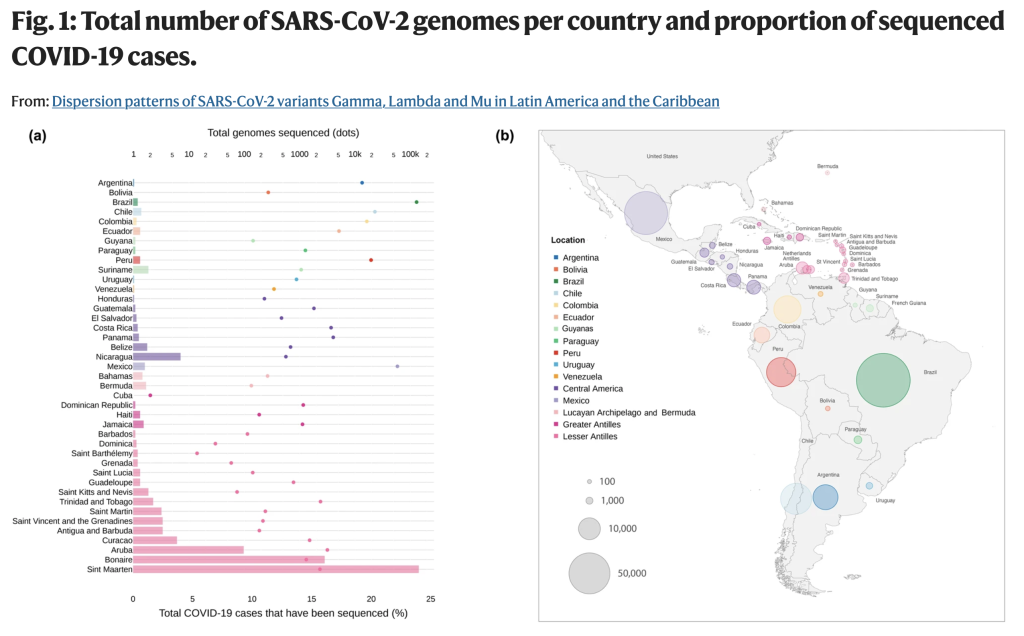
• Total number of SARS-CoV-2 genomes by country and proportion of COVID-19 cases sequenced.